
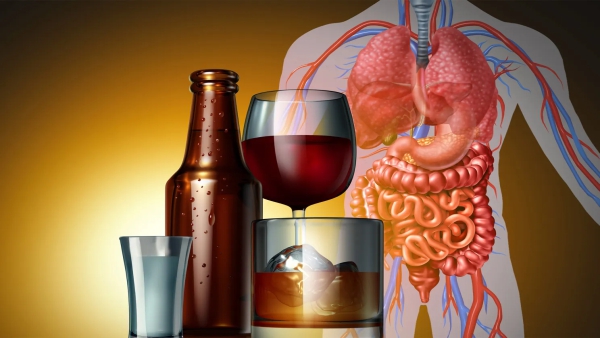
Alcohol consumption is often associated with relaxation and social gatherings, but regular or excessive drinking can harm many parts of the body. Its effects may develop gradually, making it difficult to recognize the damage until health problems become serious. Understanding the risks of alcohol can help you make healthier choices and protect your long-term well-being.
1. Increased Risk of Heart Attack and Heart Disease
Excessive alcohol consumption can raise blood pressure, disturb heart rhythms, and weaken the heart muscle. Over time, these effects may increase the risk of heart attack, stroke, and heart failure. Reducing alcohol intake and following a heart-friendly lifestyle can support cardiovascular health. Regular exercise, balanced meals, fruits, vegetables, and adequate sleep are beneficial habits.
2. Liver Damage and Inflammation
The liver processes alcohol and helps remove harmful substances from the body. However, frequent or heavy drinking can overwhelm its normal functions and damage liver cells. Alcohol-related liver disease may begin with fatty liver and progress to inflammation, fibrosis, or cirrhosis.
A balanced diet containing leafy greens, seasonal fruits, whole grains, and adequate protein supports general liver health. Drinking enough water helps maintain hydration, but no juice, herbal drink, or home remedy can reverse serious alcohol-related liver damage. Reducing or stopping alcohol consumption and seeking medical advice are important steps.
3. Mental Health Problems
Although alcohol may temporarily create a feeling of relaxation, it can worsen anxiety, depression, mood changes, and emotional distress. Regular drinking may also affect judgment and increase the risk of alcohol dependence.
Activities such as walking, meditation, yoga, and maintaining a regular daily routine may support emotional well-being. Warm milk or caffeine-free herbal drinks can be part of a calming evening routine, although they do not treat alcohol dependence or replace professional mental health care.
4. Brain Damage and Memory Problems
Alcohol affects the central nervous system and can interfere with memory, concentration, coordination, and decision-making. Long-term heavy drinking may cause lasting neurological damage. It can also contribute to vitamin deficiencies, particularly a deficiency of vitamin B1 (thiamine), which may lead to serious brain complications.
Eating a varied diet that includes legumes, nuts, whole grains, vegetables, and fruits can help provide essential nutrients. Anyone experiencing confusion, memory loss, or difficulty walking should seek medical evaluation.
5. Blood Sugar Problems and Diabetes Management
Alcohol can cause unpredictable changes in blood glucose levels, particularly in people taking insulin or certain diabetes medicines. It may increase the risk of dangerously low blood sugar, sometimes several hours after drinking. Sugary alcoholic beverages can also contribute to high glucose levels.
People managing diabetes should discuss alcohol-related risks with their healthcare professional. Balanced meals, regular physical activity, drinking water, and monitoring blood sugar can support diabetes management. Herbal remedies should not replace prescribed diabetes medicines.
6. Poor Sleep Quality
Alcohol may make a person feel sleepy initially, but it can disrupt normal sleep patterns later in the night. This may lead to frequent waking, restless sleep, daytime fatigue, and difficulty concentrating.
A consistent bedtime, reduced screen time, light evening exercise, and a quiet sleeping environment can improve sleep quality. Caffeine-free drinks may help establish a relaxing routine, but avoiding alcohol is a more effective way to prevent alcohol-related sleep disturbances.
7. Digestive Problems and Nutritional Deficiencies
Alcohol can irritate the stomach lining and digestive tract, causing nausea, acidity, abdominal discomfort, and diarrhea. Heavy drinking may also interfere with nutrient absorption and increase the risk of pancreatitis.
A diet rich in vegetables, fruits, whole grains, and easily tolerated foods can support digestive health. Traditional Ayurvedic and Unani approaches may offer supportive wellness practices, but herbal products should be selected carefully for quality and safety. Some herbs can interact with medicines or cause liver injury, so professional advice is recommended before use.
Conclusion
Alcohol consumption can affect the heart, liver, brain, mental health, blood sugar, sleep, and digestive system. Reducing alcohol intake or avoiding it altogether can help lower several health risks. Natural approaches, including nutritious foods, adequate hydration, regular exercise, and stress management, can complement appropriate medical care.
People who drink heavily or experience withdrawal symptoms should seek medical guidance before stopping suddenly, as withdrawal can be dangerous. Consult a qualified healthcare professional for advice suited to your health needs.
Note: If you have health-related concerns, seek appropriate medical guidance. Early assessment and evidence-based treatment can help prevent complications and support long-term health.
About Hashmi Dawakhana
Hashmi Dawakhana is located at Qazi Zada Street, Amroha–244221, Uttar Pradesh, India. It provides care for a range of men’s and women’s health concerns, including sexual and reproductive health, diabetes, general health, and immunity-related issues. Special care is provided for concerns such as premature ejaculation, difficulty with erection, sexual weakness, reduced libido, women’s intimate health problems, and difficulties related to conception.
Patients who have not experienced relief even after seeking treatment from several places can visit Hashmi Dawakhana for better guidance and treatment. You can visit the clinic to obtain medicines or take advantage of the facility to order medicines online from home. Ayurvedic and Unani medicines are available and are prepared with good quality standards and scientific methods.
Health Consultation:
Looking for trusted health guidance? Call or WhatsApp at this number +91-9058577992 today for a FREE consultation with our health doctors. Your privacy, dignity, and well-being are our priority.

Leave a Reply
You must be logged in to post a comment.