
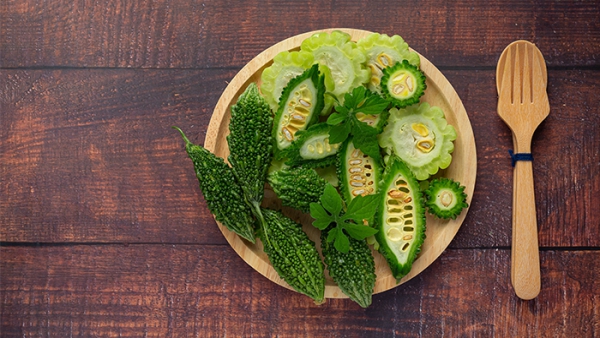
Bitter gourd, commonly known as karela, is a nutritious green vegetable widely used in Indian kitchens. Although its bitter taste may not appeal to everyone, it is valued for its nutritional content and traditional health benefits. It contains vitamins, minerals, dietary fibre, and natural plant compounds that contribute to a balanced diet.
During the monsoon season, changes in temperature, humidity, and eating habits can affect everyday health. Including seasonal vegetables such as bitter gourd in your meals can help provide essential nutrients and support general well-being.
In Ayurveda and Unani medicine, bitter gourd has traditionally been appreciated for its distinctive properties and dietary uses. Here are five potential health benefits of adding this vegetable to your monsoon diet.
1. Supports Immune System Function
Bitter gourd contains vitamin C and various antioxidant compounds that support normal immune system function. Vitamin C contributes to the healthy functioning of immune cells and helps protect body tissues against oxidative stress.
Antioxidants help neutralize free radicals, which are naturally produced during normal body processes. Including karela alongside other vitamin-rich vegetables and fruits can contribute to a nutritious diet.
During the rainy season, maintaining good hygiene, eating freshly prepared food, and consuming nutrient-rich meals are also important for general health.
2. May Help Support Healthy Blood Sugar Levels
One of the most discussed potential benefits of bitter gourd is its relationship with blood sugar management.
Karela contains natural compounds, including charantin and other plant substances, that have been studied for their possible effects on glucose metabolism. Some traditional health practices also include bitter gourd as part of dietary routines for people concerned about blood sugar levels.
Its fibre content may contribute to a balanced diet and support healthy digestion.
However, bitter gourd should not be considered a replacement for diabetes medicines or prescribed treatment. People with diabetes should monitor their blood glucose levels and consult their healthcare professional before regularly consuming concentrated bitter gourd juice or supplements, as these may increase the risk of low blood sugar.
3. Promotes Better Digestive Health
Digestive discomfort, irregular bowel movements, and changes in appetite can occur when eating habits change during the monsoon.
Bitter gourd contains dietary fibre, which supports normal bowel movements and helps maintain digestive health. Fibre also contributes to a healthy gut environment when consumed as part of a balanced diet.
In traditional Ayurveda and Unani medicine, bitter gourd has been valued as a food ingredient for supporting digestion and maintaining dietary balance.
You can enjoy it in different ways, including lightly cooked vegetables, stuffed karela, or mixed vegetable preparations. Drinking sufficient water and eating other fibre-rich foods can further support digestive wellness.
4. Contributes to Healthy Skin
The skin may become more sensitive during humid weather. Excess moisture, sweating, and environmental exposure can sometimes contribute to irritation and other skin concerns.
Bitter gourd provides vitamin C and antioxidant compounds that support normal skin health. Vitamin C also plays a role in collagen formation, which helps maintain the structure and function of the skin.
Including karela, leafy vegetables, seasonal fruits, and sufficient water in your daily routine can support overall nutritional needs.
Although bitter gourd is traditionally associated with skin wellness, eating it should not be considered a treatment for fungal infections, acne, or other skin diseases. Persistent skin problems require appropriate medical care.
5. Supports Liver Health and General Wellness
The liver performs several important functions, including processing nutrients, producing bile, and breaking down substances in the body.
Bitter gourd contains plant compounds and antioxidants that have attracted interest for their potential relationship with liver health. Its nutritional value makes it a useful addition to a varied and balanced diet.
Traditional wellness systems, including Ayurveda and Unani medicine, have also valued bitter gourd in dietary preparations intended to support general health.
However, the body already has natural processes for removing waste products, and karela should not be described as a guaranteed detoxification treatment or a cure for liver disorders.
How to Include Bitter Gourd in Your Daily Diet
There are several simple ways to enjoy this nutritious vegetable:
- Karela sabzi: Cook bitter gourd with onions and mild spices for a traditional vegetable dish.
- Stuffed bitter gourd: Fill it with a mixture of spices and other vegetables.
- Bitter gourd juice: Prepare a small quantity using properly washed fresh karela and consume it in moderation.
- Mixed vegetables: Combine karela with other seasonal vegetables for a balanced meal.
Choose fresh, firm vegetables and wash them thoroughly before cooking. Avoid excessive consumption of concentrated bitter gourd juice, particularly if you take medication for diabetes.
Pregnant women and people with existing medical conditions should seek professional advice before using concentrated preparations or supplements.
Final Thoughts
Bitter gourd is a valuable seasonal vegetable that offers fibre, vitamin C, antioxidants, and other beneficial plant compounds. Its potential benefits include supporting normal immune function, digestive health, skin wellness, and balanced nutrition.
Ayurvedic and Unani medicinal herbs and traditional dietary preparations have long been valued as part of broader wellness practices. Genuine, pure, authentic, and quality Ayurvedic and Unani preparations should be selected according to individual needs and used under qualified professional guidance.
Including fresh vegetables, seasonal fruits, adequate water, and nutritious meals in your daily routine can contribute to better overall health. Enjoy karela as part of a varied diet rather than relying on it as a treatment for any particular disease.
About Hashmi Dawakhana
Hashmi Dawakhana is located at Qazi Zada Street, Amroha–244221, Uttar Pradesh, India. It provides care for a range of men’s and women’s health concerns, including sexual and reproductive health, diabetes, general health, and immunity-related issues. Special care is provided for concerns such as premature ejaculation, difficulty with erection, sexual weakness, reduced libido, women’s intimate health problems, and difficulties related to conception.
Patients who have not experienced relief even after seeking treatment from several places can visit Hashmi Dawakhana for better guidance and treatment. You can visit the clinic to obtain medicines or take advantage of the facility to order medicines online from home. Ayurvedic and Unani medicines are available and are prepared with good quality standards and scientific methods.
Health Consultation:
Looking for trusted health guidance? Call or WhatsApp at this number +91-9058577992 today for a FREE consultation with our health doctors. Your privacy, dignity, and well-being are our priority.

Leave a Reply
You must be logged in to post a comment.