
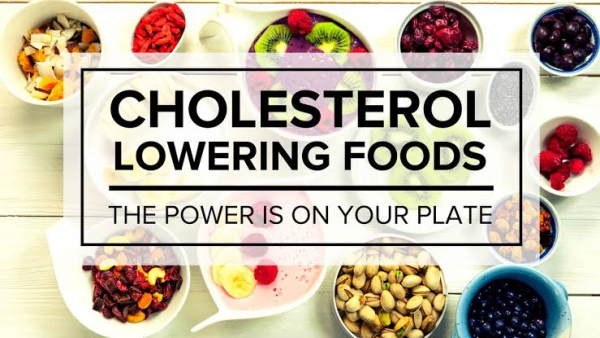
Maintaining healthy cholesterol levels is an important part of protecting your heart. During the monsoon season, changes in eating habits, reduced physical activity, and a preference for fried or rich foods can make it harder to follow a balanced lifestyle. Choosing nutritious foods and staying active can help support healthy cholesterol levels and overall well-being.
Low-density lipoprotein (LDL), often called bad cholesterol, can contribute to plaque buildup in the arteries when levels remain high. Including fiber-rich foods and healthy fats in your daily meals may help manage LDL cholesterol naturally. Here are five nutritious foods to consider during the rainy season.
1. Oats: A Fiber-Rich Breakfast Choice
Oats are a valuable addition to a heart-friendly diet because they contain beta-glucan, a type of soluble fiber. This fiber helps reduce cholesterol absorption and supports the removal of cholesterol from the body.
Eating oats regularly may help lower LDL cholesterol when combined with an overall balanced diet. You can enjoy a warm bowl of oatmeal for breakfast, add oats to smoothies, or use them in homemade dishes. Choose plain oats instead of varieties containing excessive added sugar.
2. Nuts: Almonds and Walnuts for Heart Health
Almonds and walnuts provide healthy unsaturated fats, fiber, plant compounds, and other important nutrients. Replacing foods rich in saturated fats with moderate portions of nuts may help improve cholesterol levels and support cardiovascular health.
Enjoy a small handful of unsalted nuts as a snack or add chopped almonds and walnuts to porridge, salads, or homemade meals. During the monsoon, store nuts in a cool, dry place to preserve their freshness. Since nuts are calorie-dense, moderate portions are preferable.
3. Fatty Fish: A Source of Omega-3 Fatty Acids
Fish such as sardines, salmon, and mackerel contain omega-3 fatty acids that support heart health. These fats are particularly helpful in reducing elevated triglyceride levels, another important factor in cardiovascular health.
Omega-3 fatty acids do not necessarily lower LDL cholesterol, and some concentrated omega-3 treatments may increase it slightly in certain individuals. Nevertheless, including fish in a balanced diet can provide valuable nutrients.
Aim to eat fish about twice a week if it suits your dietary preferences and health needs. Steaming, baking, or grilling are useful cooking methods. Ensure that fish is fresh, properly stored, and thoroughly cooked, especially during the rainy season.
4. Olive Oil: Choose Healthier Cooking Fats
Olive oil contains monounsaturated fats that can support a healthier cholesterol profile when used instead of butter, ghee, or other sources of saturated fat. It also provides antioxidant compounds that contribute to a balanced diet.
Use moderate amounts of olive oil for cooking, sautéing vegetables, or preparing salad dressings. You do not need to eliminate traditional cooking oils entirely; choosing suitable unsaturated fats and limiting excessive saturated and trans fats are more important than relying on a single oil.
5. Beans: An Affordable Source of Soluble Fiber
Beans, lentils, and other legumes are rich in dietary fiber and plant protein. Their soluble fiber can help reduce LDL cholesterol, while their nutrients support digestion and general health.
Include kidney beans, chickpeas, black beans, or other legumes in soups, curries, salads, and vegetable dishes. Soaking dried beans and cooking them thoroughly improves their texture and makes them easier to eat. During the monsoon, pay attention to food hygiene and avoid consuming improperly stored or spoiled foods.
Additional Tips for Managing Cholesterol During the Monsoon
Along with these five foods, eat plenty of vegetables, seasonal fruits, and whole grains. Drink sufficient water and limit sugary drinks, deep-fried snacks, processed meats, and foods high in saturated fats. Indoor walking, gentle exercise, and other regular physical activities can help maintain cardiovascular fitness when rainy weather limits outdoor movement.
Ayurvedic and Unani medicines have traditionally formed part of broader approaches to health and well-being. If you are considering Ayurvedic and Unani medicinal herbs or Ayurvedic and Unani herbal preparations for cholesterol management, seek guidance from a qualified professional and inform your doctor about any products you use. These preparations should complement, rather than replace, prescribed cholesterol treatment.
Final Thoughts
Oats, nuts, fatty fish, olive oil, and beans can all contribute to a heart-friendly eating pattern. Their benefits are greatest when combined with regular exercise, appropriate medical care, and consistent dietary habits. If your cholesterol is high, consult a qualified healthcare professional for personalized advice, appropriate testing, and guidance on whether medication is necessary.
About Hashmi Dawakhana
Hashmi Dawakhana is located at Qazi Zada Street, Amroha–244221, Uttar Pradesh, India. It provides care for a range of men’s and women’s health concerns, including sexual and reproductive health, diabetes, general health, and immunity-related issues. Special care is provided for concerns such as premature ejaculation, difficulty with erection, sexual weakness, reduced libido, women’s intimate health problems, and difficulties related to conception.
Patients who have not experienced relief even after seeking treatment from several places can visit Hashmi Dawakhana for better guidance and treatment. You can visit the clinic to obtain medicines or take advantage of the facility to order medicines online from home. Ayurvedic and Unani medicines are available and are prepared with good quality standards and scientific methods.
Health Consultation:
Looking for trusted health guidance? Call or WhatsApp at this number +91-9058577992 today for a FREE consultation with our health doctors. Your privacy, dignity, and well-being are our priority.

Leave a Reply
You must be logged in to post a comment.